
What size should wall art be in relation to the wall?
Correct sizing begins with understanding visual balance rather than guessing or following trends. Wall art should feel anchored to the surface it occupies and clearly intentional within the room. A reliable standard is that artwork should span roughly 60–75% of the usable wall width. This range creates a strong visual presence without overwhelming the space. When art falls below this threshold, it often appears timid and disconnected; when it exceeds it, the wall can feel crowded and tense.
Proportion becomes especially important when art is placed near furniture. Above a sofa, bed, or sideboard, the artwork should visually relate to what sits beneath it, typically measuring between two‑thirds and three‑quarters of the furniture width. This relationship creates hierarchy and cohesion, allowing the eye to move comfortably through the space. The vertical placement also matters: positioning the artwork too high breaks the connection, while aligning it closer to eye level reinforces balance and clarity.
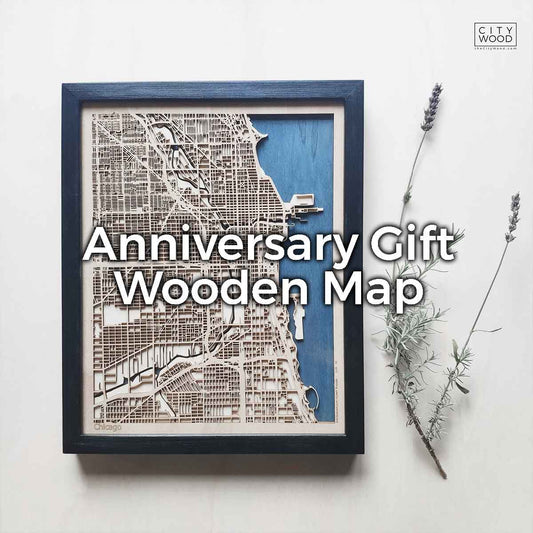
Negative space plays a critical supporting role. Empty wall area should frame the artwork, not compete with it. Excessive surrounding space weakens visual impact and causes the piece to fade into the background. A well-sized piece, by contrast, establishes confidence and becomes a focal anchor. When in doubt, slightly larger choices tend to read as deliberate and refined, especially with statement pieces like a custom wooden map designed to define the character of a room.
Wall art size guide inches

Using clear size ranges in inches removes uncertainty and allows decisions to be made with confidence. These ranges are not rigid rules but proven benchmarks that work across a wide variety of interiors. For a wall that measures around 36 inches wide, artwork in the 22–27 inch range feels balanced and purposeful. A 48‑inch wall pairs well with art between 29 and 36 inches wide, while a 60‑inch wall benefits from pieces measuring roughly 36–45 inches.
As wall width increases, the need for stronger visual mass becomes more pronounced. A 72‑inch wall typically requires artwork between 43 and 54 inches to avoid looking sparse. Larger walls, such as those measuring 96 inches, usually need 58–72 inches of total artwork width to maintain presence. This can be achieved with a single large piece or a grouped composition that functions as one visual unit.
Viewing distance and ceiling height subtly influence these numbers. Taller ceilings and deeper rooms can visually shrink artwork, making slightly larger sizes feel more natural. Closer viewing distances allow for marginally smaller selections without loss of impact. These guides work best when combined with real-world testing, such as taping paper templates to the wall to preview scale before final placement.
Wall art size calculator
A simple calculator approach offers a fast and dependable way to determine ideal sizing. Start by measuring the usable width of the wall, excluding architectural elements like windows, doors, or shelving. Multiply that number by 0.6 to find the minimum recommended artwork width, and by 0.75 to determine the upper limit. Any size within this range will generally feel proportionate and visually grounded.
Check our wall art size calculator that will help you decide the size of the artwork.
For example, an 80‑inch wide wall multiplied by 0.6 yields 48 inches, while 0.75 yields 60 inches. Artwork or a combined arrangement within this span will feel intentional and balanced. This method works equally well for single pieces and gallery-style layouts, as long as the total composition width is considered rather than individual elements.
This calculator helps counter common perceptual errors. Empty walls often appear smaller than they truly are, leading people to choose undersized art. By relying on measured ratios instead of intuition alone, decisions become clearer and more consistent. Temporary mockups using paper, cardboard, or digital previews further confirm whether the calculated size delivers the desired presence in the actual space.
What are common mistakes when sizing wall art?
The most frequent mistake is choosing artwork that is simply too small. Undersized pieces lack visual weight and fail to anchor the room, often prompting the urge to add more items to compensate. This results in clutter rather than cohesion. Slightly oversized art, on the other hand, tends to feel confident and curated, even when it pushes comfort boundaries.
Another common error is hanging artwork too high. Art should typically be centered around 57–60 inches from the floor, aligning with average eye level. When placed far above this range, artwork feels detached and disrupts the natural visual flow of the room. Closely related is ignoring the scale of nearby furniture, which causes imbalance when large furnishings are paired with small, delicate pieces.
Skipping planning is equally problematic. Installing art without testing placement or size often leads to avoidable disappointment. Using templates, mockups, or measured guides ensures the final result feels deliberate. Lastly, relying solely on personal guesswork instead of proportion standards introduces inconsistency. Trusting proven ratios, confirming with real-world previews, and choosing confidence over caution consistently leads to stronger, more satisfying results.