
Scandinavian interior design has captivated the world for decades — and for good reason. Rooted in the philosophy that everyday life should be beautiful, functional, and calm, it offers something increasingly rare in modern interiors: genuine visual peace. Clean lines, natural materials, soft light, and a deep respect for simplicity combine to create spaces that feel both effortless and deeply considered. Here is how to bring that feeling into your own home.
Whether you are starting from scratch or refreshing an existing room, Scandinavian style is more accessible than it might appear. It is not about following a rigid set of rules — it is about understanding a philosophy and applying it with intention.
Start With the Foundation: Neutral, Natural Colours
The Scandinavian palette is built on restraint. White, off-white, warm grey, soft beige, and pale taupe form the backbone of almost every room. These tones reflect the limited natural light of Nordic winters, making spaces feel brighter and more open than they actually are.
This does not mean colour is forbidden. Muted sage greens, dusty blues, warm terracotta, and deep charcoal are all part of the Scandinavian vocabulary — but they appear as accents, not as dominant forces. Think of them as punctuation in a sentence, rather than the sentence itself.
The key rule: every colour in the room should feel like it belongs to the same quiet, natural world. Nothing should shout. Everything should contribute to a sense of cohesion and calm.
Embrace Natural Materials — Generously
If the colour palette is the foundation, natural materials are the soul of Scandinavian interiors. Wood is the most important of these — light-toned pine, birch, and ash are particularly characteristic, bringing warmth without heaviness.
The cornerstone material. Pale, natural-grain wood on floors, furniture, shelving, and decorative objects creates warmth and organic texture throughout the space.
Matte stone surfaces, concrete worktops, and ceramic tiles in neutral tones add grounded, tactile interest without disrupting the visual quiet of the room.
Chunky knit throws, linen cushion covers, wool rugs, and woven blankets layer texture into a room without introducing pattern or colour that would disturb the palette.
Indoor plants — from large-leafed monstera to small succulents and dried botanicals — bring life, colour, and the natural world directly into the interior.
Candlelight is inseparable from Scandinavian hygge. Group candles on trays and windowsills to create pools of warm, intimate light that no overhead fixture can replicate.
Used sparingly — a leather chair seat, a sheepskin draped over a bench — natural animal materials add richness and tactility that keeps a room from feeling sterile.
 Master the Art of Functional Simplicity
Scandinavian design emerged partly from necessity — long, dark winters demanded interiors that were practical, efficient, and genuinely pleasant to inhabit for extended periods. Every object in a Scandinavian room earns its place by being either useful, beautiful, or both.
This principle, sometimes called form follows function, does not mean minimalism for its own sake. It means deliberate curation: choosing fewer things, choosing them carefully, and arranging them with intention. A shelf with five considered objects is more powerful than the same shelf crowded with twenty.
The single most effective step toward a Scandinavian interior is removing what does not belong. Go room by room and ask honestly: is this useful? Is this beautiful? Does it contribute to the calm I am trying to create?
Avoid ornate, fussy, or heavily carved furniture. Scandinavian pieces are characterised by simple silhouettes, tapered legs, and an absence of unnecessary decoration. Quality of material and craftsmanship do the work instead.
Visible clutter is incompatible with Scandinavian calm. Invest in smart, built-in, or concealed storage that allows surfaces to remain clear — a cleared surface communicates rest, not emptiness.
Avoid overcrowding rooms with too many pieces. Generous negative space between furniture allows each item to be seen clearly and gives the room a sense of airiness, even in smaller spaces.
Light-toned wood floors — or large pale stone tiles — are signature Scandinavian elements. Keep them as visible as possible. A single large rug is fine; multiple overlapping rugs are not.
Maximise Natural Light
In Scandinavia, natural light is precious and treated accordingly. Every design decision in a Nordic home is made with light in mind — how to capture more of it, how to reflect it, and how to supplement it beautifully when it fades.
- Keep windows unobstructed. Avoid heavy curtains that block light. Sheer linen panels, simple roller blinds, or no window coverings at all are far more Scandinavian in spirit.
- Use mirrors strategically. A large mirror on a wall opposite a window doubles the perceived light in a room and adds depth without introducing colour or pattern.
- Choose pale surfaces. White and off-white walls, pale floors, and light furniture all reflect available light rather than absorbing it.
- Layer artificial lighting thoughtfully. Avoid a single overhead light source. Use floor lamps, table lamps, and candles to create multiple warm light sources at different heights throughout the room.
- Add pendant lights with character. A well-chosen pendant lamp — simple, sculptural, crafted from natural materials — is one of the most distinctive design statements in any Scandinavian room.
Decorate the Walls With Intention
Scandinavian wall decoration follows the same principle as everything else in the style: thoughtful, restrained, and meaningful. A single strong piece of wall art, a carefully composed gallery of black-and-white prints, or a sculptural object that casts interesting shadow — these are the approaches that work.
The mistake to avoid is filling walls indiscriminately. In a Scandinavian interior, a bare wall is not a failure — it is a design decision. It gives the room room to breathe, and it makes the decorated walls far more impactful by contrast.
Typography prints, botanical illustrations, abstract line drawings, black-and-white photography, and hand-crafted ceramic wall objects are all characteristic choices. The common thread is simplicity of composition and a natural or neutral palette.
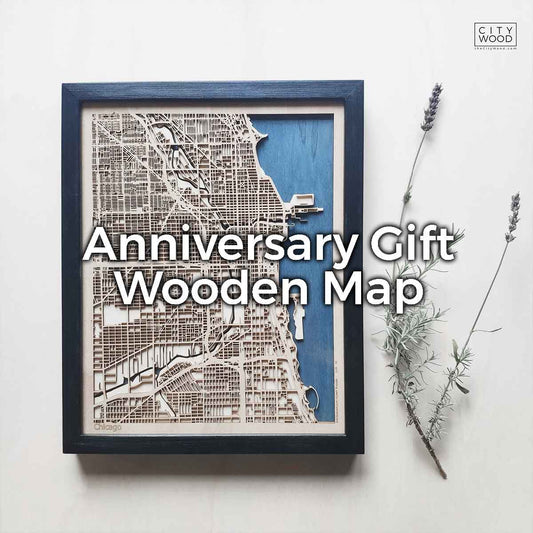
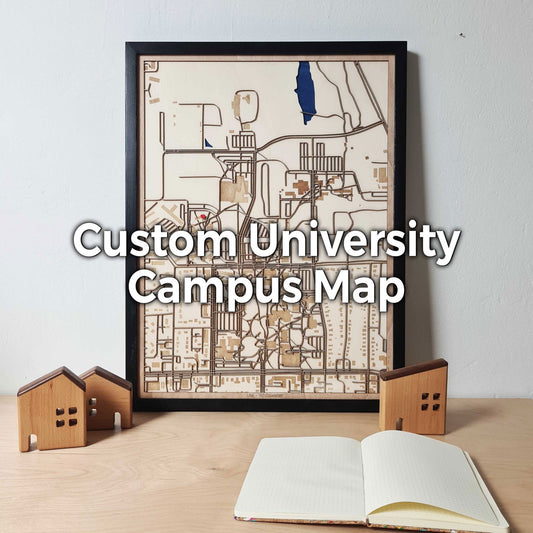
Few decorative objects embody the Scandinavian spirit as naturally as a personalised wooden map — handcrafted from natural wood, geometric in form, and deeply personal in meaning. Whether it depicts a beloved landscape, a city of significance, or a place that defines who you are, a wooden map brings together the natural materials, clean lines, and meaningful storytelling that lie at the heart of Nordic design. It also makes an exceptional gift for anyone who appreciates beautiful, lasting craftsmanship — a present that will be proudly displayed on a wall for years to come.
Bring in Hygge: The Soul of Scandinavian Living
No guide to Scandinavian style is complete without addressing hygge — the Danish and Norwegian concept of cosiness, comfort, and convivial warmth that underlies the entire design philosophy. Hygge is not an aesthetic; it is a feeling. But it is a feeling that good design can reliably produce.
Hygge and candlelight are inseparable. Group candles in clusters, place them on coffee tables, windowsills, and dining tables. Warm flickering light is the fastest route to a hygge atmosphere.
A comfortable armchair by a window, a small side table, a good lamp, and a soft throw. A dedicated space for quiet and comfort is one of the most hygge things a room can contain.
Scandinavian kitchens are warm, practical, and inviting. Simple wooden elements, open shelving with well-chosen ceramics, and the perpetual suggestion of something good baking are all characteristic.
Pine, cedarwood, eucalyptus, and clean linen scents reinforce the connection to the natural world that defines Nordic interiors. Diffusers, candles, and dried botanicals all contribute.
The Scandinavian Style Checklist
Before you consider the room complete, run through these core principles:
- Palette. Does every colour belong to the same quiet, natural family? Nothing should compete or shout.
- Materials. Is natural wood present? Are there layers of texture — wool, linen, ceramic, stone — to add warmth without adding colour?
- Light. Is natural light maximised? Is artificial lighting layered, warm, and coming from multiple sources at different heights?
- Furniture. Are pieces functional, well-crafted, and uncluttered in form? Does each piece have room around it to breathe?
- Walls. Is wall decoration restrained and intentional? Does each piece earn its place clearly?
- Storage. Are surfaces clear? Is clutter hidden rather than displayed?
- Atmosphere. Does the room feel calm, warm, and genuinely inviting to spend time in — not just to photograph?
Scandinavian style is ultimately about one thing: designing a home that genuinely supports a good life. Not a home for display, but a home for living — one that is calm enough to rest in, functional enough to work in, and beautiful enough to be proud of every day.
Start with the palette. Add natural materials. Remove what does not belong. Let in the light. And trust that simplicity, done with care, is always enough.