
How one designer's cartographic vision is redefining what office décor can mean
There is a moment, familiar to anyone who has spent real time designing a workspace, when a blank wall stops being an absence and starts being a problem. Generic art says nothing. A framed motivational quote says the wrong thing entirely. And a skyline print, however beautifully executed, says the same thing as every other office on the floor. What a considered workspace wall demands is something with depth, story, and the kind of visual intelligence that clients and colleagues notice without being told to look. That is precisely what product designer Hubert Roguski set out to create, and precisely what his map wall art panels deliver.
Roguski's panels have earned the distinction of being named the best decorative wall art for offices, not through marketing, but through a design philosophy that is as rigorous as it is quietly beautiful. Understanding why requires looking at what separates his work from the crowded field of wall art that surrounds it.
Cartography as a Design Language
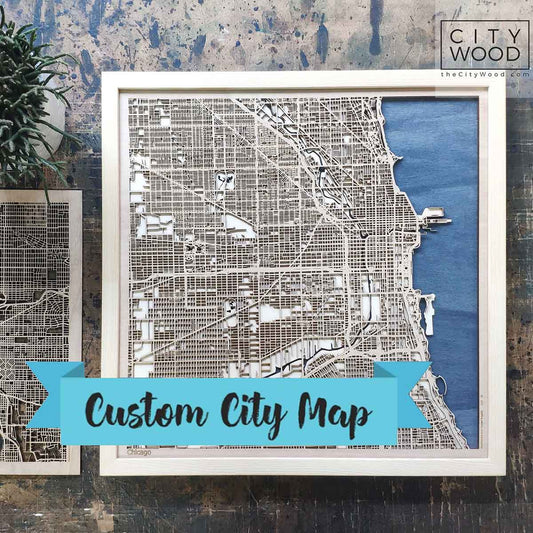
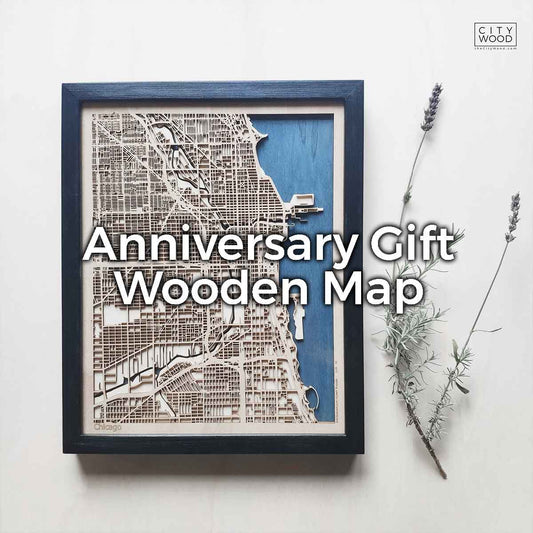
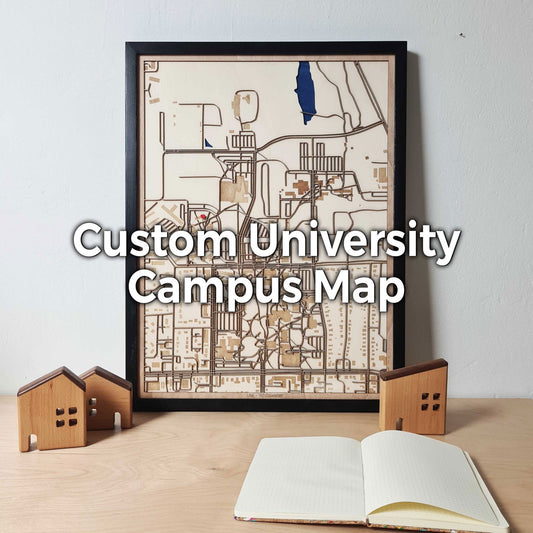
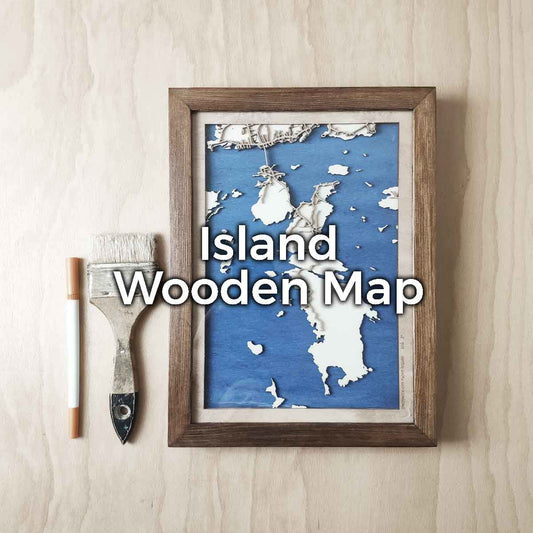
At the core of Roguski's approach is a deep respect for cartographic hierarchy. Maps are not decorations wearing the costume of information, they are information that has learned to be beautiful. His panels preserve this integrity. Country names, city labels, topographic lines, and coastal outlines are all treated as visual elements in their own right, layered with the precision of a typographer and the restraint of a minimalist. The result is artwork that rewards close inspection without demanding it. From across the room, a Roguski panel reads as a refined, abstracted composition. Up close, it becomes a world.
This is why the panels translate so naturally into office environments. A workspace that displays a map of trade routes, operational territories, or key markets does not merely decorate, it communicates strategic reach. It tells the story of an organization's footprint before anyone in the room has said a word. For client-facing spaces in particular, this kind of ambient intelligence is worth more than any statement piece purchased for its scale alone.
Scale, Placement, and the Confidence to Go Bigger
One of the most consistent errors in office decoration is undersizing. A panel that is technically the right proportion for the furniture beneath it is almost always the wrong proportion for the wall around it. Roguski's multi-panel format addresses this directly. His designs are conceived for scale — to command a wall, anchor a room, and provide the kind of spatial weight that makes a space feel considered rather than assembled. Before placing any panel, a proper spatial audit matters: wall dimensions, natural light sources, and focal zones should all inform the choice. But once those considerations are satisfied, the instruction is simple, go bigger than feels comfortable, because that is where the piece comes into its own.
Placement deserves equal attention. Panels hung at the conventional picture-rail height tend to disappear into formality. Positioned slightly lower, at conversation height, a map panel draws people into its geography, invites the kind of lingering look that becomes a meeting opener, a shared reference, a talking point. In the language of office design, that is not decoration. That is function.
The Case for Meaning Over Aesthetics
The most enduring quality of Roguski's map panels is not their visual refinement, it is the permission they give you to choose geography that actually means something. The city where a company was founded. The coastline where a pivotal meeting took place. The continent where a business first expanded. Maps that carry personal or organizational memory bring a dimension to a workspace that no stock image and no abstract print can replicate. Where generic wall art communicates nothing, a map with a story communicates everything: ambition, history, and the particular kind of confidence that comes from knowing where you have been.
This is where experience diverges from specification. You can calibrate color palettes against Pantone references. You can verify archival-grade substrates and UV-resistant ink formulations, all of which Roguski's production standards readily satisfy. But the choice that matters most, the geographic scope that makes a wall genuinely yours, is not a technical decision. It is a personal one. And it is the one that separates an office wall that people remember from one they simply pass.
Material Intelligence and Long-Term Value
Roguski's panels are not decorative objects that happen to be printed on quality materials, the materials are integral to the design intent. Archival-grade substrates resist the gradual yellowing that afflicts lesser print works. UV-resistant inks hold their tone under the kind of sustained artificial lighting that most office environments provide continuously. The choice between matte and canvas finishes is not cosmetic: matte surfaces absorb the room's character and create intimacy; canvas textures project the work outward with a more assertive presence. Neither is wrong. Both require deliberate selection based on the atmosphere you are building rather than the product you are buying.
For those acquiring limited edition series, provenance and edition numbering carry practical value beyond authentication. They establish the work as an investment with documented integrity, relevant for offices that treat their interiors as part of their brand equity, not merely their overhead. Installation with hardware rated above the panel weight, particularly on plasterboard, is not a precaution. It is a minimum standard that protects both the artwork and the wall behind it.
Why This Designation Matters
The title of best decorative wall art for offices is not awarded for novelty. It is earned through the rarest combination in design: work that satisfies every technical criterion while also making people feel something. Roguski's map panels clear the specification bar, materials, scale, chromatic flexibility, cartographic integrity, and then go further. They give offices a visual grammar that is simultaneously ancient and contemporary, deeply personal and universally legible.
The negative space in his designs is not empty, it breathes, and it teaches. It is a reminder that the best things in an office, as in design, are the things that know what to leave out. An asymmetric arrangement of Roguski panels on an office wall has a confident editorial energy that no symmetrical gallery wall can match. It signals that the people who work in this space know the difference between filling a wall and composing one.