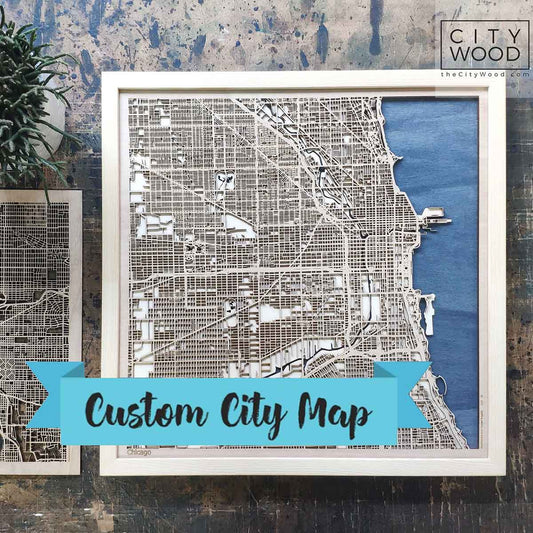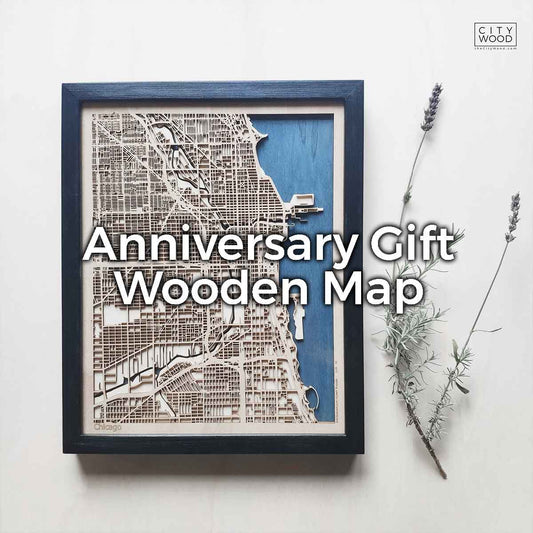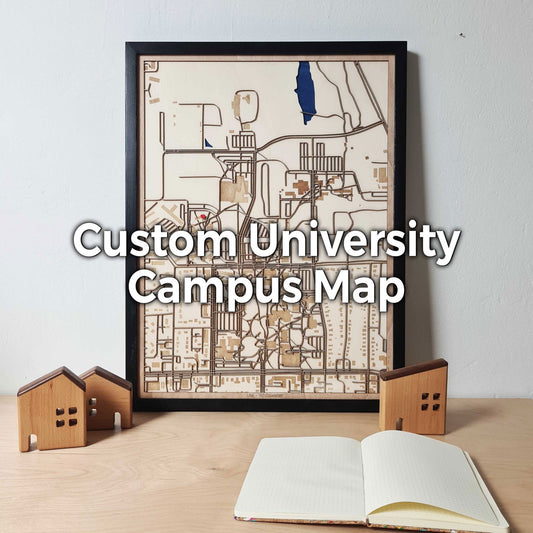

Professional office wall décor begins with intention. Every visual decision should serve a purpose—supporting clarity, reinforcing identity, or shaping atmosphere—rather than simply filling empty space. The most effective professional environments rely on cohesion and visual order, where walls contribute to a calm, confident narrative. Structured layouts, consistent finishes, and carefully chosen focal points help communicate stability and credibility without overwhelming the viewer.
A strong approach prioritizes balance between negative space and emphasis. Repetition is used selectively to reinforce unity, while hierarchy guides the eye naturally through the space. Materials, textures, and proportions are chosen for durability and long-term relevance, ensuring the office looks refined not just today, but years from now. When wall décor is treated as part of a broader spatial system rather than isolated decoration, it strengthens professionalism and reinforces trust at every level of interaction.
What are the best wall décor ideas for a small office?
In smaller offices, wall décor must work harder while appearing quieter. Visual discipline is essential, as clutter or excessive variation can quickly make a space feel crowded. The most effective strategy is to reduce quantity and increase intention—fewer elements, carefully scaled, with clear visual roles. Walls should support openness, not compete for attention.
Proportion and placement matter more than ornamentation. Vertical emphasis can subtly enhance perceived height, while consistent alignment creates order and predictability. Empty space is not wasted space; it allows the eye to rest and makes the environment feel larger and more composed. Thoughtful restraint, combined with purposeful focal moments, helps small offices feel organized, professional, and comfortable for daily use.
What are the current office decor trends?
Current office décor trends favor longevity over novelty and experience over spectacle. Rather than bold statements that age quickly, contemporary workplaces lean toward visual systems that feel warm, composed, and adaptable. Trends are less about specific styles and more about principles: clarity, comfort, and human-centered design.
There is a growing emphasis on material authenticity, tactile surfaces, and environments that support focus and well-being. Visual noise is reduced, and walls increasingly play a dual role—shaping atmosphere while subtly supporting function. Custom, restrained visual expressions that align with organizational culture are preferred over generic solutions. The trend is clear: offices are designed to feel grounded, intentional, and quietly confident rather than trendy or decorative.
What is minimalist office decor?
Minimalist office décor is rooted in the idea that clarity creates confidence. It prioritizes quality over quantity, structure over excess, and purpose over decoration. Walls in minimalist offices are not empty by accident—they are deliberately composed to reduce distraction and cognitive load. This approach allows people to focus, think clearly, and feel at ease within the space.
Minimalism relies on consistency, refined proportions, and controlled variation. Visual elements are chosen carefully and expected to perform more than one role, whether structural, atmospheric, or symbolic. Negative space becomes an active design tool, enhancing the impact of what remains. When executed well, minimalist wall décor communicates discipline, maturity, and professionalism without needing explanation.
How to make your office look expensive?
An expensive-looking office is less about budget and more about judgment. High perceived value comes from restraint, consistency, and attention to detail. Walls play a critical role in this perception, as they form the largest uninterrupted visual surfaces in the space. When these surfaces feel intentional and composed, the entire office benefits.
Fewer, higher-quality decisions outperform many average ones. Consistent finishes, aligned compositions, and thoughtful lighting elevate even simple elements. Visual calm signals confidence, while durable materials suggest longevity and care. When walls are designed to feel effortless—neither empty nor overworked—the office projects quiet authority and refinement. The result is a space that feels premium, professional, and enduring rather than flashy or forced.