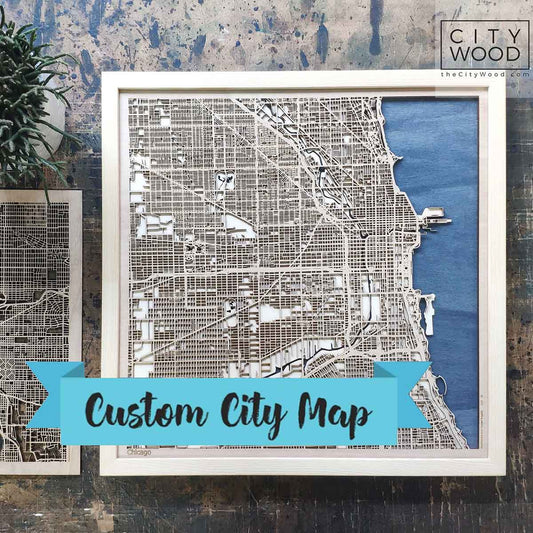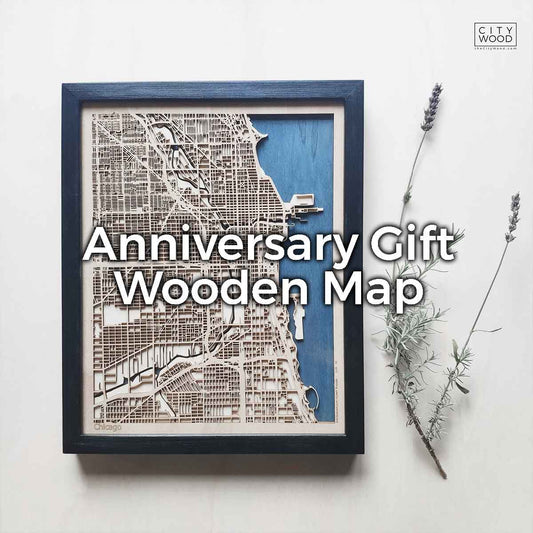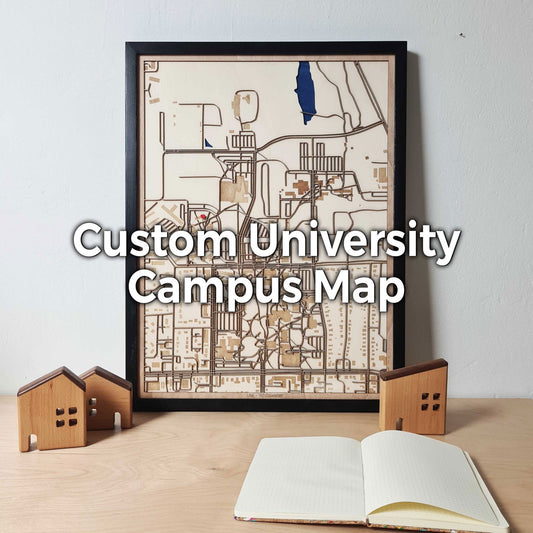

Laser cut panels are widely used as wall décor wherever a space needs character without visual overload. In homes, they work particularly well in living rooms, entryways, staircases, bedrooms, and home offices, where they introduce texture and rhythm to otherwise flat surfaces. Mounted as standalone wall features, framed inserts, or layered compositions, they can transform a plain wall into a focal point. Designers often use them with indirect lighting to enhance depth and shadow, allowing the pattern to shift subtly throughout the day. In office interiors, wall-mounted laser cut panels are frequently placed in reception areas, meeting rooms, corridors, and executive spaces. Here, they contribute to a professional atmosphere while supporting wayfinding, branding, or spatial identity. Because they can be customized in pattern density and scale, they adapt easily to both intimate residential interiors and larger commercial environments.
How can laser cut panels be used as room dividers in residential and office spaces?
As room dividers, laser cut panels offer a balance between separation and openness that traditional walls cannot provide. In residential spaces, they are commonly used to divide living and dining areas, kitchens and lounges, or bedrooms and dressing spaces without blocking natural light. This makes them especially valuable in apartments and open-plan homes, where maintaining a sense of flow is essential. In office environments, laser cut panels are a practical way to organize open layouts into functional zones such as meeting areas, collaborative spaces, and focused work zones. They visually define boundaries while preserving transparency and communication. From an experiential perspective, these dividers help spaces feel structured yet breathable, avoiding the heaviness of solid partitions. Their flexibility allows them to be fixed, sliding, or modular, adapting to changing spatial needs over time.
Can laser cut panels be used for privacy solutions in offices and home interiors?
Laser cut panels are highly effective as privacy solutions when designed with appropriate pattern density and placement. In offices, they are often used between workstations, around meeting rooms, or along circulation paths to reduce visual distraction while maintaining a sense of openness. They provide a softer form of separation than opaque walls, which many modern workplaces prefer for both aesthetic and cultural reasons. In home interiors, laser cut panels are frequently used to screen staircases, bathrooms, dressing areas, or balconies. They allow homeowners to create privacy without sacrificing light or air circulation. From a practical standpoint, they strike a strong balance between discretion and comfort, offering enough visual shielding to feel private while still feeling connected to the surrounding space. This makes them a trusted solution in both professional and personal environments.
Where are laser cut panels commonly used for functional design (e.g. ventilation, light flow)?
Beyond their decorative role, laser cut panels are widely used for functional design applications where airflow, light distribution, or concealment is required. Common examples include radiator covers, ventilation panels, ceiling features, and light diffusers. Their perforated structure allows air and light to pass through efficiently while hiding technical elements that might otherwise disrupt the interior design. In office settings, they are often integrated into ceilings or wall systems to support environmental comfort and visual order. In residential spaces, they provide an elegant solution for masking utilities without compromising performance. From an expert design perspective, these applications demonstrate how laser cut panels can merge engineering requirements with visual coherence, ensuring that functional elements feel intentional rather than incidental.
How can laser cut panels be used as decorative accents in modern interiors?
In modern interiors, laser cut panels are frequently used as refined decorative accents rather than dominant features. They appear as cabinet fronts, stair railings, balustrades, headboards, furniture inserts, or ceiling details, adding subtle visual interest without overwhelming the space. Their precision and customization options allow them to align seamlessly with minimalist, industrial, Scandinavian, or contemporary design styles. Designers often favor them because they can introduce complexity through pattern while maintaining a clean overall aesthetic. From a user-experience perspective, these accents enhance how a space feels on a daily basis, adding warmth, rhythm, and personality. They work particularly well when used consistently across different elements, creating a cohesive design language throughout the interior.
Are laser cut panels suitable for both indoor and outdoor home or office applications?
Laser cut panels are suitable for both indoor and outdoor applications when the correct materials and finishes are selected. Indoors, materials such as wood-based panels or aluminum are commonly used for their aesthetic qualities and ease of integration. Outdoors, weather-resistant materials like coated aluminum or steel are preferred, allowing panels to be used for facades, fences, balcony screens, pergolas, or exterior office partitions. This versatility makes it possible to extend a design concept from interior to exterior spaces, creating visual continuity and architectural coherence. From both a professional and experiential standpoint, this adaptability is one of the strongest advantages of laser cut panels, as it allows designers and users to apply the same design logic across multiple environments while meeting functional and durability requirements.